








You do not need a huge budget, a warehouse, or some fancy master plan to start. Many of the best small business ideas begin with one skill, one simple offer, and a real problem people already want fixed.
That is why searches for small business ideas keep growing. People want options that feel real, doable, and worth the risk, especially in a time when extra income, flexible work, and more control over daily life matter more than ever.
If that sounds like you, you are in the right place. This guide is built as a listicle because most people searching small business ideas want fast clarity first, then deeper details on what is worth their time.
There is also good reason to believe the timing is strong. The U.S. has seen a major jump in new business activity, with millions of filings each year according to Census and other federal business trend reports.
But here is the truth nobody loves to say out loud. A good idea alone is not enough.
The better move is to pick something with demand, reasonable startup costs, healthy margins, and a model you can stick with long enough to generate revenue. That is what turns a start-up business into something that has a firm future.
That is what this article does. You will find practical small business ideas, market data, and a clear sense of who each idea fits best.
If you want a few more angles on a low cost small business, that resource is a smart companion read. And if you want a broader mix of modern business ideas, it pairs well with this guide too.

Table Of Contents:
- Small Business Ideas That Actually Make Sense in 2026
- 1. Health and Wellness Coaching
- 2. Mobile Pet Grooming
- 3. Senior Downsizing Services
- 4. Online Courses
- 5. Cleaning Business
- 6. Power Washing
- 7. Mobile Car Wash and Detailing
- 8. Virtual Assistant Services
- 9. Home Staging
- 10. Nail Services From a Home Studio or Small Suite
- 11. Audiobook Narration
- 12. Video Content Services
- 13. Dropshipping or Print on Demand
- 14. App Based or Digital Product Businesses
- How to Choose the Right Idea for You
- What Most New Owners Get Wrong
- Conclusion
Small Business Ideas That Actually Make Sense in 2026
The best businesses for new owners tend to share a few traits. They solve a plain problem, keep overhead in check, and make it easy to get repeat business.
That is also why service businesses keep winning. Xero says startup costs range from about $3,000 for many service models to far more for product-heavy businesses.
On top of that, a typical 10% to 20% profit margin is common for low cost small businesses. Some lean operations can do even better, especially if they build recurring revenue.
| Business Idea | Startup Cost | Income Style | Why It Stands Out |
|---|---|---|---|
| Health coaching | Low | Recurring | Growing demand from younger buyers |
| Mobile pet grooming | Medium | Repeat bookings | Convenience sells |
| Senior downsizing | Low | Project based | Aging population need |
| Online courses | Low | Scalable digital sales | Strong e-learning growth |
| Cleaning business | Low to medium | Recurring contracts | Big market and local demand |
| Mobile car detailing | Low to medium | Repeat service | Good local pricing power |
| Virtual assistant work | Low | Hourly or retainer | Fast to start from home |
| Home staging | Medium | Project based | Clear sales impact for clients |
You do not need to choose the flashiest option. You need the one you can sell, deliver, and improve fast.
1. Health and Wellness Coaching
People spend serious money on feeling better. That covers fitness goals, meal habits, stress control, sleep, and daily accountability.
Inc highlighted this as one of the top small business ideas for 2026, and the trend makes sense. Buyers, especially younger adults, want guidance that feels useful and grounded in real experience.
This works best if you already have experience in health, nutrition, habit change, or coaching. People pay faster when they feel you understand their real struggle.
You can package offers in a few ways:
- One on one coaching calls.
- Group coaching programs.
- Meal planning and habit tracking.
- Corporate wellness workshops.
- Recorded mini courses.
Start with a specific niche. Help busy moms prep simple meals, help office workers fix poor sleep, or help new runners stay consistent.
That is much easier to sell than trying to help everyone. A narrow offer also gives you a better target audience and clearer social media marketing ideas.
2. Mobile Pet Grooming
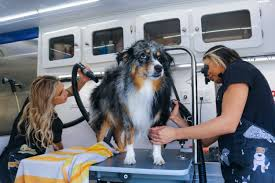
People love convenience, and pet owners love their animals like family. Put those two things together and you have a strong business.
Inc points to mobile pet grooming as one of the smarter service plays right now. It removes a pain point because owners do not need to drive, wait, or rearrange their day.
This model also gives you room to charge more than a shop-based service. Clients pay for ease, time savings, and lower stress for the pet.
If grooming is not your thing, there are nearby services to consider. Pet sitting, house sitting for traveling owners, dog walking, and pet waste removal can all work as a local business.
There is margin in the pet space too. Some estimates place dog walking profit potential at 20% to 40%.
This idea fits people who like routine clients and route-based work. Once trust is built, repeat business and recurring revenue get much easier.
3. Senior Downsizing Services
This is one of the most overlooked ideas on the list. It is also one of the most human.
Many older adults are moving into smaller homes, senior communities, or places closer to family. That process is emotional, tiring, and often hard to handle alone.
By 2030, older Americans will make up 21% of the population, based on Census data. That means more families will need help sorting, packing, organizing, donating, and settling in.
You are not just moving boxes here. You are helping people through a big life change.
Services can include:
- Decluttering and sorting rooms.
- Donation coordination.
- Packing and move prep.
- Estate sale help.
- Unpacking and setup in the new home.
If you are patient, calm, and organized, this can become a word-of-mouth business fast. Real estate agents, move managers, and senior living communities can all send referrals.
Public speaking at community centers can also help you meet adult children who need help for their parents. That simple outreach method often builds trust faster than ads.
4. Online Courses
Do you know how to do something people want to learn? Then you may already be sitting on a digital business.
The online learning market keeps climbing. Grand View Research says the sector is expected to grow at a 19% rate from 2025 to 2030.
Your best shot is not trying to teach everything. It is teaching one thing clearly, with a lesson plan that solves a clear problem.
Strong course topics include:
- Job skills.
- Software training.
- Creative hobbies.
- Test prep.
- Language or music lessons.
If music is your strength, this guide from 240 Tutoring gives a useful look at one path.
The smart play is to begin with live coaching or tutoring. Then record what works and turn those lessons into course modules after students show you where they get stuck.
You can also attract leads with free online workshops or short sample lessons. That helps you test demand before spending weeks recording content.
5. Cleaning Business
Cleaning may not sound glamorous. It does sound profitable, though, and that matters.
Fortune Business Insights, a global market research and consulting firm, projects the cleaning services market will grow from about $482 billion in 2026 to $859 billion by 2034.
That tells you demand is not going away. Homes need cleaning, offices need cleaning, and vacation rentals need fast turnovers.
There are several lanes you can choose from:
- Residential house cleaning.
- Airbnb turnover cleaning.
- Office cleaning.
- Post-construction cleanup.
- Move-in and move-out cleaning.
- Commercial cleaning.
- Medical or specialty sanitizing.
Start with one lane and get known for it. Generalists often blend in, while specialists get remembered.
A commercial cleaning company can grow into a strong operation if you keep contracts, scheduling, and customer service tight. Many owners start small, then turn a cleaning company into a steady source of recurring revenue.
As you grow, operations matter more. Scheduling, repeat visits, supplies, hiring, and payment flow can make or break this business.
If you run any local service team, choosing one of the better small business POS systems can save time and cut friction at checkout.
6. Power Washing

This one is simple. Dirty driveways, siding, patios, and fences make homeowners uneasy, especially before a sale or event.
Power washing fixes that fast. It is hands-on work, but people gladly pay to avoid doing it themselves.
Some jobs can reach several hundred dollars. HomeAdvisor shows average pricing varies, but there is enough room here for solid local income.
This can be a great seasonal business. It also pairs well with window cleaning, gutter cleaning, or exterior house cleaning.
Want a cleaner pitch? Focus on results people can see in seconds.
Before-and-after photos work well on social media platforms and local community pages. That visual proof often does more for media marketing than a long sales message.
7. Mobile Car Wash and Detailing
Busy people will pay for a clean car in their driveway or office parking lot. They pay even faster when the service saves them an hour.
Future Market Insights has a forecast showing mobile car wash services growing to almost $283 billion by 2035.
That is huge, but local math matters most. The amount of competition in your local market affects your pricing and how you stand out.
Pricing can range from simple washes to premium detail packages. National averages run from around $40 for a basic wash to well above $350 for a full detail.
This idea works well for people who enjoy local service businesses with clear upgrade paths. Wash today, monthly maintenance tomorrow, and paint protection later.
You can also win repeat business with membership packages. That simple offer gives customers flexible hours for booking and gives you steadier cash flow.
8. Virtual Assistant Services
A lot of business owners are drowning in small tasks. Inbox cleanup, calendar work, customer follow-ups, data entry, and social media scheduling all take time.
That creates room for virtual assistants. If you are organized and reliable, you can start from home with low costs.
Income varies by skill. CNBC reports many virtual assistants start around $20 an hour, but specialists can earn up to $100 an hour.
The big shift happens when you move from general help to specialty help. Think podcast management, real estate admin, legal intake, email marketing support, or social media management.
Businesses often pay more for someone with a deep understanding of business management tools, customer service systems, and media management. If you can manage a content calendar across social media platforms, you move from assistant to valued media manager.
This kind of work also rewards structure. If your days get messy, this guide on time management is worth reading.
9. Home Staging
If you have an eye for layout, decor, and buyer psychology, home staging can be a smart niche. It helps sellers make homes feel bigger, brighter, and more desirable.
That matters because presentation changes offers. According to housing data covered by The Zebra, staged homes have sold for 25% more than unstaged homes in some cases.
That is a strong pitch to agents and homeowners. Your service has a direct link to perceived value.
You can start small with occupied home consultations. Then grow into furniture rentals, decor installs, and agent partnerships.
One client can lead to many more if the local agent likes your work. If you also have a background in graphic design, you can add listing flyers or open-house visuals as a bonus service.
10. Nail Services From a Home Studio or Small Suite
Beauty services tend to hold attention because clients come back. That makes recurring income more realistic than many one-time-sale businesses.
Coherent Market Insights says the global nail care market is on track to pass $38 billion by 2033.
You do need licensing, sanitation practices, and local compliance. But once that part is handled, loyal clients can fill a steady book.
The winning angle is often specialization. Natural nail care, nail art, bridal events, or quick lunch-hour appointments can all work.

This is also a business where social proof matters. Clean photos, happy repeat clients, and simple video marketing on social media can fill openings without a huge ad budget.
11. Audiobook Narration
If you have a clear voice, good pacing, and patience for recording, this one is worth a look. More people now listen to books while driving, walking, or doing chores.
Grand View Research says the audiobook market could grow 26% annually through 2030.
Rates depend on your experience and the kind of work. Narrators can earn around $200 to $400 per finished hour of audio.
You will need a quiet recording setup, editing skills, and a good ear for mistakes. But once you build samples, authors and publishers can become repeat clients.
If you also know how to clean audio from older media, small add-on services can help. This guide to ripping CDs is a basic example of the kind of task some people will pay to outsource.
12. Video Content Services
Businesses need video, but many owners still hate filming, editing, and posting it. That gap is a business.
Wyzowl reports 91% of businesses use video in their marketing. That means demand is no longer niche.
You can offer several simple packages:
- Short-form editing.
- Ad video production.
- Podcast clips.
- Testimonial videos.
- Real estate walkthroughs.
- Video editing for creators.
This can start as a solo service. Then you can move into retainer packages, which are much easier on cash flow.
If you already do freelance social media, freelance social support, or freelance graphic work, this is a strong add-on. Many clients would rather hire one freelance graphic designer or editor who can handle video marketing too.
If you are a student or very new to business, this list of business ideas has some beginner-friendly options that line up well with creative services.
13. Dropshipping or Print on Demand
Do you want an ecommerce model without stacking boxes in your garage? This is why so many people keep circling back to dropshipping and print on demand.
There is room here, but it is not easy money. Product choice, margins, shipping time, and ad costs can crush weak stores fast.
Still, the market remains huge. One estimate says dropshipping could reach $143 trillion by 2030.
To improve your odds, start by studying what is trending before you build the store. Better research now means fewer bad guesses later.
Printable and digital art can also work well with low overhead. Zion Market Research shows the digital art market growing at a 14% rate.
Before you list products anywhere, check platform rules and seller requirements. Some platforms take larger cuts than others, whether you sell as an amazon seller or on your own store.
Search engine optimization also matters here. Good product pages, better photos, and strong search engine signals can help lower your ad spend over time.
14. App Based or Digital Product Businesses
If you can solve one painful little problem online, there may be money in it. That could be an app, a template pack, a calculator, or a niche subscription product.
App revenue is expected to rise almost 8% per year, with worldwide revenue reaching $782 billion by 2029.
That does not mean you need to code the next giant platform. A very small app for a specific niche can still do well.
The appeal of digital products is that delivery costs stay low after setup. But taxes still matter, so review reporting rules and keep clean records from day one.
If you have a background as a graphic designer, personal trainer, security consultant, or teacher, think about tools that fit your existing skill set. Templates, trackers, and guides often sell well because they save time.
How to Choose the Right Idea for You
Too many people pick a business because it sounds cool. That is usually the wrong reason.
Pick based on fit. What do you already know, who do you already know, and what problem can you fix this month?
- List three skills people already ask you for help with.
- Circle ideas with low startup costs.
- Look for repeat demand.
- Check your local competition.
- Start with one offer, not five.
You should also ask one hard question. Do you want a job you own, or a system that may grow beyond you?
Both can work, but the answer shapes your business plan. It also shapes your pricing, your schedule, and how much business management you want to take on.
| If You Want | Better Fit |
|---|---|
| Fast start and flexible hours | Service work like cleaning, pet sitting, or virtual assistant support |
| Scalable sales | Online courses, apps, or digital products |
| Local repeat clients | Mobile detailing, nail services, or a cleaning company |
| Creative work | Video editing, home staging, or freelance graphic designer services |
| Health-focused work | Coaching or personal trainer services |
What Most New Owners Get Wrong
They wait too long to sell. They overthink names, logos, and colors while real customers never hear about the offer.
They also choose too many services at once. That usually creates weak marketing and average results.
There is another issue. People ignore what they actually enjoy doing.
That gets expensive because boring businesses are hard to keep pushing on tough weeks. A great small business still has to fit your energy, your schedule, and your willingness to do the work again next month.
Many also skip basic outreach. A few posts on social media, simple search engine optimization, and direct local networking can beat weeks of planning with no action.
Martha Sinetar wrote that people should do what they love and the money will follow. That is not a pass to avoid math, but it is a reminder that energy matters.

Conclusion
The best small business ideas are usually simpler than people think. They fix a problem, keep costs under control, and fit your skills well enough that you can keep going after the early excitement fades.
If you are stuck, start with service-based small business ideas first. They are often cheaper to launch, faster to test, and easier to improve once real customers start talking.
You do not need the perfect plan. You need a solid idea, a clear offer, and the guts to start before you feel fully ready.
Whether you want to earn extra, earn extra income on the side, or build a full-time business with a firm future, the right move is to pick one idea and test it. Small business ideas work best when you stop waiting for perfect and start learning from real customers.