





Everyone talks about artificial intelligence these days. Still, most people find it hard to tell which parts are useful and which are just noise. Modern tech grabs your attention and solves problems but often leaves you feeling drained.
If you searched for AI, you probably want the simple truth. What is it, what can it do today, and what should a business actually do with it?
You hit the nail on the head. Access to technology stopped being the main barrier years ago. Success means picking the right software, feeding it quality info, and building a system that actually produces results.
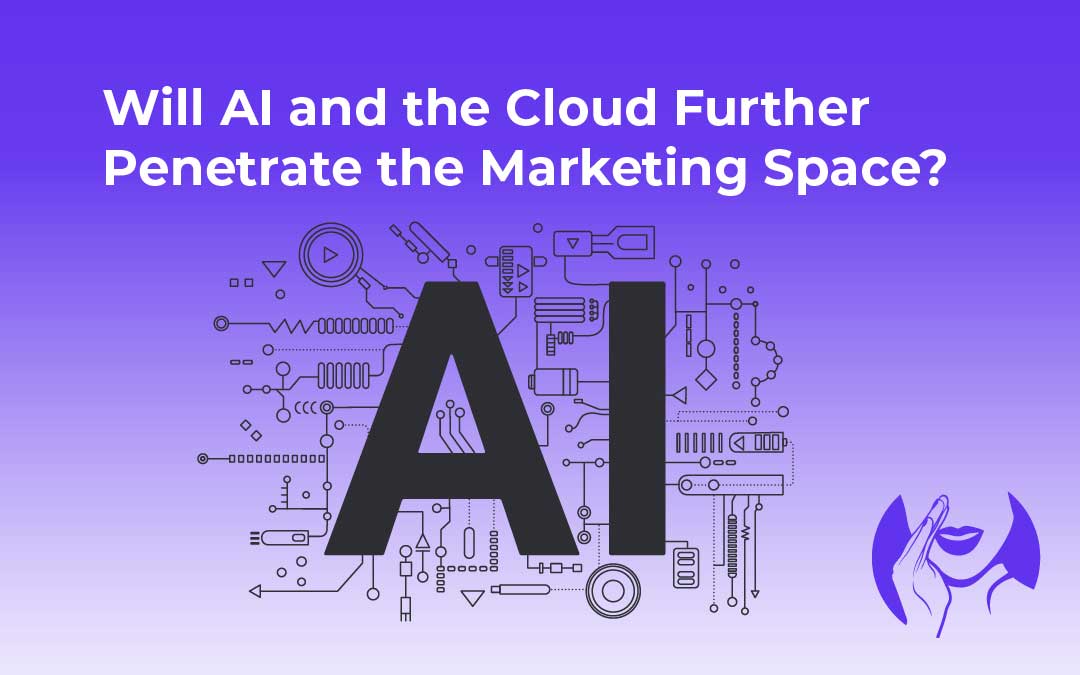
Leading marketing departments will move past the novelty of AI by 2026. It will become a regular part of their daily work. They are plugging it into cloud systems, first party data, reporting, audience building, media buying, customer journeys, and ai applications that support daily work.
This change carries weight. Fast results drive progress. A team with clean data and connected systems can act faster than a team with ten fancy apps and no foundation.
Table of Contents:

- This is how AI affects your bottom line in 2026.
- Pure technology lacks the human touch.
- Cloud tech acts as the engine room where AI processes massive piles of marketing data to predict what customers will buy next.
- How Major Networks Are Implementing AI
- Companies are finally finding actual value in AI.
- Most businesses ignore the basic data setup they actually need.
- A straightforward look at today’s AI marketing tools.
- Mixing AI into your marketing plan without breaking everything.
- Common mistakes bosses make with AI.
- If you use the internet, you need to know these AI details.
- Final thoughts.
What AI Really Means for Business in 2026
AI is no longer just a chatbot on a website. It now helps companies predict demand, spot weak points in campaigns, write draft copy, group customers, support ai code tasks, and respond to behavior in real time.
AI is popping up in workflows today in spots that catch most employees off guard. It can sit inside analytics tools, ad platforms, CRMs, workflow builders, and even an api platform that passes data from one system to another.
This part of the process tends to trip people up. Most people grab a shiny new wrench before they even find the leak. This leaves you with flimsy stats that nobody can actually stand behind.
Reliability starts with your cloud. That matters. It gives your marketing systems one place to store, process, and activate data across channels.
Amazon Web Services explains cloud computing as on-demand access to compute, storage, and services that scale fast. Google Cloud handles the heavy lifting of hosting websites and managing databases so that tech teams can focus on writing code. also frames cloud computing as a way to run applications and data workloads without managing everything on your own servers.
Bill Gates started Microsoft to put a computer on every desk. Their cloud strategy guide reaches a nearly identical conclusion. The pattern is clear. Cloud gives teams room to test, improve, and support modern ai technology without rebuilding their stack every few months.
Why AI Alone Is Not Enough
Businesses often chase one magic piece of technology to fix their problems. Buy the writing tool. Buy the image tool. Buy the analytics add-on. Everything is back on track.

Things just don’t happen that way. Smart technology relies entirely on high quality data and the skill of the folks running the controls.
If campaign data lives in one place, sales data in another, and customer history in five others, AI will not magically fix the mess. It spits out rapid responses based on flawed information.
This is why so many teams are shifting from app collecting to system building. They want one data flow from ad platforms, customer records, web analytics, and product data into a shared warehouse.
That approach lines up with what many firms now call digital transformation. DXC Technology discusses digital transformation consulting as a business-wide change that connects technology with real business goals.
Our goal remains easy. Your model only works as well as the data you feed it. Messy inputs ruin everything. Good rules keep things from getting messy. Governance gives your staff a roadmap for high data quality and specific steps for getting models approved by the right people.
You can finally tell which parts are just talk and which parts get things done. Generative AI cranks out fast drafts and pictures, but it fails to fix sloppy research, lost sources, or messy client data.
How AI and Cloud Work Together in Marketing
Let’s look at how this works. Computers process logic much faster than we can. Digital infrastructure lives in the cloud. It organizes your storage and runs the math that keeps everything moving fast.
These tools shift your focus from stale history to making moves that happen right now. Instead of waiting for last week’s numbers, teams can react while campaigns are still running.
Imagine the scene. After eyeing the goods and clicking an email, the visitor hits the exit. One quick action instantly refreshes your audience list, starts a new ad campaign, and flips the switch on a custom page.
This setup relies on cloud functions and streaming tools. Pair them with a data warehouse and event-based workflows. It sounds technical, but the outcome is very human. Reach people right when they need you with clear talk and zero fluff.
What this looks like inside a modern stack
- Ad data from Google, Meta, TikTok, and LinkedIn flows into one warehouse.
- We pull HubSpot and Salesforce data to match web clicks with actual orders.
- Data cleaners strip away the mess so your team can actually work.
- AI models score leads, forecast value, and spot drop-off points.
- These tools push your customer data straight into your marketing channels.
That is the engine. Setting this up allows your staff to work with facts instead of hunches.
Leaders are plugging AI into their daily workflows to knock out those repetitive back-office duties. These can route leads, summarize performance notes, watch for anomalies, or trigger tasks ai teams used to do by hand.
What the Big Platforms Are Doing With AI
Major advertising networks flipped the script on us. More campaign types now depend on machine learning, ai models, and first party data.
Google Ads is leaning heavily on machine learning lately. Its campaign products rely on advertiser signals, asset combinations, and system-level optimization. You can read more in the Google Ads documentation.
Meta mirrors this approach. They built their shopping tech to work much the same way. The Advantage+ overview shows how much work now shifts from the media buyer to the system.
Microsoft is weaving artificial intelligence directly into its advertising tools. Check their recent update. It covers how Copilot works for marketing teams.
This shortcut cuts out busywork and transforms your professional focus. Marketers now spend less time pushing buttons and more time shaping inputs, data quality, offers, creative direction, and testing logic.
Everything changed right then. Clicking rapidly is not how you win this game. They are the ones constructing high level logic and proving that these tools can actually solve problems for customers.
Where Businesses Are Seeing Real AI Gains

People still hype up certain AI tools way too much. Great work often speaks for itself. Quiet winners keep winning.
You will find your biggest victories hiding in just a few routine places. They skip the glitz to provide actual, lasting results.
Creative production
Design teams can now scale banners, product ads, short video edits, and variant testing far faster. Adobe Firefly belongs to the group of apps leading this movement.
This strategy carries more weight if you manage a huge inventory or talk to many customer types. You can finally stop sending the same generic pitch to everyone.
Teams also use generative ai to draft alternate headlines, resize creative, and adapt campaigns for new channels. Human review still matters, especially for compliance, brand tone, and legal claims.
Landing page personalization
People clicking your ads expect a fresh introduction while your loyal email subscribers want a fast track to checkout. AI tools can adjust sections, copy, offers, and proof points in real time.
Software won’t fix a broken vision. Speeding up your audits helps capture more leads right away.
If you allow it, the system checks your old support chats and web activity to show you stuff you actually care about. Businesses should align this work with their privacy policy and current privacy choices so people know how their data is used.
Reporting and anomaly detection
Teams lose a lot of time staring at dashboards. AI can now summarize trends, call out spikes, and explain unusual movement before someone spots it by hand.
Google shows off these features by putting Gemini inside Looker. Copilot brings these helpful reporting features directly into the Power BI interface.
This type of support works well for managers who need a quick read on channel performance. You can stop pulling manual exports. The platform translates technical stats into plain English to help teams get the facts they need.
Lead scoring and lifetime value prediction
Your patrons are not all worth the same amount. Modern tech scores every lead. It highlights people ready to shop and warns you about those about to cancel.
Marketing groups can now stretch their dollars much further. This system points your staff toward the prospects most likely to buy now.
This tool helps you predict how many clients will stay and how to staff your team. Many leaders start here. It is one of the few AI uses that pays for itself quickly.
The Data Foundation Most Companies Still Skip
Gritty work rarely wins awards, but it builds the foundation. Most teams try to run with AI before they can walk with basic data organization. It rarely ends well.
That is backward. Clean data beats clever dashboards every single time.
Getting a clever system running begins with several simple steps.
- Pull your advertising spend and user data into a central data warehouse.
- Build a simple system for naming your marketing links.
- Set up server-side tagging where it makes sense.
- Clean and transform data before people use it.
- Build audiences from business logic, not platform guesswork.
Google explains how to export event data with GA4 and BigQuery. Marketing groups often start right here when they need to grab the reins and manage their data better.
Once the data lands in a warehouse, tools like dbt help teams turn raw tables into clean models. These tools push your data groups straight into your marketing and ad channels.
Smart leaders start setting basic guardrails for their tech right here. They should define owners, document data sources, review risks ai projects may create, and decide who approves changes to scoring, automation, and customer-facing outputs.
Rules make things harder. That makes this move even more critical. Artificial intelligence can improve speed, but without guardrails it can create reporting errors, poor targeting, or privacy problems.
A Simple View of the Modern AI Marketing Stack
| Coating. | Our central mission. | Frequent Picks |
|---|---|---|
| Where the information lives. | Collect channel and customer signals. | We track results using GA4, Meta Ads, Google Ads, and modern CRM tools. |
| Stash your stuff here. | Stop scattering files. Put everything in one accessible spot. | BigQuery, Snowflake, Databricks. |
| Making a total break from the past. | Tidy up the files. Then, mold the results. | Using dbt software. |
| Setting the framework. | Predict value, churn, or conversion. | Vertex AI, SageMaker, custom models. |
| Bringing it to life. | Send insights back into campaigns. | Hightouch, platform APIs, CDPs. |
| Keeping all your digital tools in sync. | Reschedule your jobs manually or let certain events move them. | Airflow, Prefect, Dagster, Zapier. |
Notice something important here. Think of AI as a single tool in your kit. You still need the rest of the box.
That matters because a business with average models and clean systems will often beat a business with fancy models and poor data. Skip the spotlight because the real money hides in plain sight.

If your team is still comparing tools, a platform overview like this helps frame the buying decision. Checking for compatibility stops you from wasting money on tech that functions in a vacuum. Good software should talk to your other apps.
How to Add AI to Marketing Without Making a Mess
This issue likely keeps you awake at night if you run a company. Skip the budget traps. You need technology that helps people work instead of causing total office confusion.
That is fair. Success slips away when a group scales too fast. Vague goals and bloated workloads are a recipe for a total breakdown.
Smart growth happens one step at a time.
Stage 1 in the first 90 days
- Audit your tracking.
- Clean UTM naming rules.
- Connect GA4 with BigQuery.
- Review CRM field quality.
- Just pick one process to check.
This stage is boring. Think of this as the birthplace for your future profits.
Stage 2 in the next six months
- Build warehouse models for reporting and audience logic.
- Create first party segments from customer behavior.
- Launch one scoring model for churn, lead quality, or repeat purchase.
- Sync your customer lists directly with your marketing platforms.
Things are finally shifting. You should see your numbers move. Less wasted spend, better follow-up, and cleaner reporting.
Stage 3 after that foundation is stable
- Add AI summaries to reporting.
- Test agent-based help for routine tasks.
- Personalize pages and offers using owned data.
- Connect your sellers with your marketers to share real customer insights.
Things are finally getting interesting. Solid basics make the whole system run smoothly.
Ambitious groups often deploy AI bots to direct support tickets, summarize sales calls, or dig through company data. If vendors push a demo too quickly, ask for a platform overview, data flow map, privacy policy details, and proof of how the tool handles contact sales requests, permissions, and audit trails.
What Many Leaders Still Get Wrong About AI
Bosses often worry that software might kick their staff to the curb. You are likely looking at this from a bad angle.
Try asking this question. What busywork can we automate today to free up time for creative thinking and big choices?
Staff across the entire company are making this move today. McKinsey research shows that while AI is spreading through every department, success actually comes from how teams change their habits rather than just having the software.
PwC tracks AI success through measurable wins. Companies get the most back when they tie tools to bottom-line growth. This seems simple, yet plenty of businesses fail to do it.
Companies often fail when they isolate AI as a pet project for a single department. AI touches operations, analytics, creative, legal review, and customer experience, so ownership should be shared across the business.
Leaders also underestimate communication. Teams need practical training, simple documentation, and answers to frequently asked questions before new workflows stick.
Bad data creates bad results that nobody believes. If they do not know what changed, they will go back to manual work and side spreadsheets.
What Searchers Really Need to Know About AI Right Now
If you came here looking for one answer on AI, here it is. AI is most useful when it helps a business think faster and act faster on clean information.
It is less about one tool and more about connected operations. Data comes in, systems process it, AI spots patterns, and teams act.
That is the loop. That is why cloud and AI now belong in the same conversation.
Owning a massive tech stack helps nobody. Smart leaders focus on tools that actually produce results. Success means creating a workflow that buys back your hours, stops leaks, and sharpens your weekly choices.
That setup may include ai models, generative AI for content support, ai code help for internal workflows, and AI agents for routine tasks. Success boils down to setting sharp targets, scrubbing your records, and staying focused on the work.

Conclusion
Marketing teams now place AI at the center of their growth strategy. AI now sits close to data, cloud systems, reporting, paid media, customer experience, and the wider growth plan.
Better outcomes in 2026 depend on the strength of the groundwork you lay right now. Clean tracking, shared data, strong workflows, clear privacy choices, and a focused first use case will beat random tool buying every time.
The companies that move ahead will not be the loudest ones. Success comes to those who develop tools steadily and check their work constantly. They mitigate potential tech hazards so their teams can make better decisions during daily operations.