








Search “billion dollar data centers” today and you step into a strange new gold rush. On one side, tech leaders are racing to build billion dollar data centers as fast as they can pour concrete. Residents are speaking up. They want the facts. is this stampede actually good for us, or just good for them?
Many people feel stuck right now between all the excitement and the genuine fear. AI tools are now baked into work, school, and daily life, but few of us ever see the buildings that power them. This guide walks through what these billion dollar data centers really are and how they make money.
We plan to study the heavy load these systems place on the grid. You will learn what this means for your business, your town, and your energy bill.
Table Of Contents:

- What Are Billion Dollar Data Centers, Really?
- The AI Boom Driving These Mega Projects
- How Big Players Are Betting On Billion Dollar Data Centers
- Inside The Economics Of Billion Dollar Data Centers
- Energy Hunger: How Much Power Do These Sites Really Need?
- The Water Footprint No One Sees
- Local Impacts: Jobs, Traffic, And Safety
- The Global Race For Efficient AI And Chips
- Can Communities And Companies Share The Benefits Fairly?
- How This Affects You As A Builder, Investor, Or Neighbor
- Conclusion
What Are Billion Dollar Data Centers, Really?
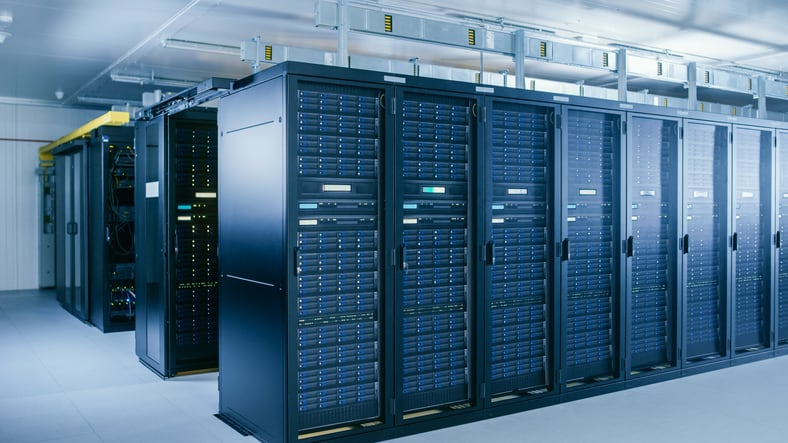
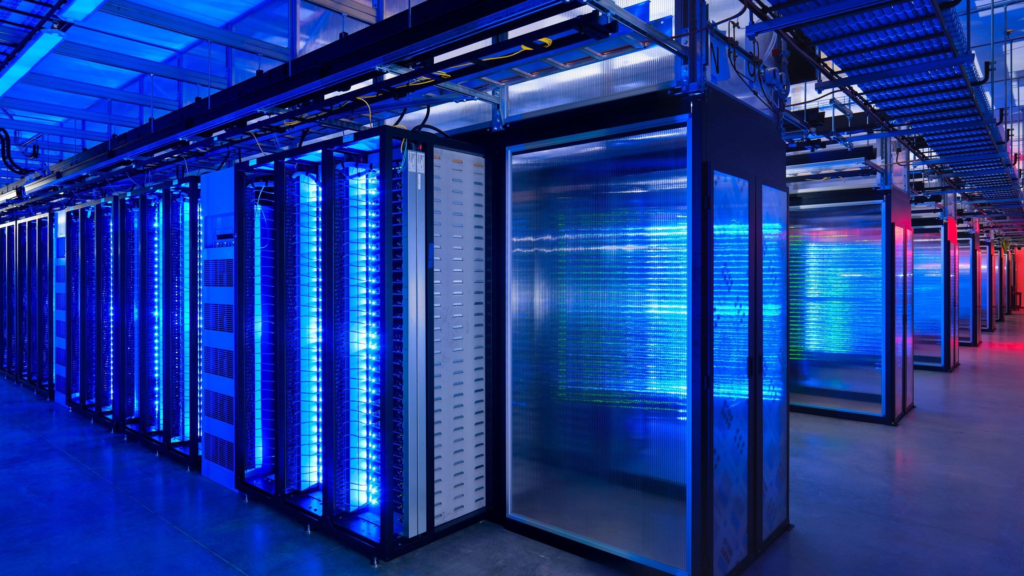
Picture a warehouse the size of a dozen Costco stores packed wall to wall with servers. That is a basic mental image of modern billion dollar data centers. The biggest versions are called hyperscale centers, and they usually contain more than 5,000 file servers plus layers of networking gear and storage racks.
Architects had one target when they planned these rooms. They rent out compute and storage at massive scale so AI models, social apps, games, banks, and almost everything online can run without stopping. Instead of owning their own server rooms, most companies just buy capacity from these sites as they need it.
Silicon Valley giants dropped everything to go all in on this new approach. Account management should feel snappy. If a user grabs a file from the cloud, the response needs to be lightning quick. Cloud uptime relies on the heavy machinery hidden in data centers.
This sounds simple, but the economics are huge. Construction alone in the United States now runs close to 9.5 million dollars per megawatt of power capacity. Once a center is running, annual operating costs can land anywhere from 10 to 25 million dollars for a large facility.
These facilities are the engine room for the internet. These tools help coders build mobile software that lands in the hands of millions right away. The internet stays upright because of this expensive network. Strip it away and the whole system breaks.
The AI Boom Driving These Mega Projects

None of this would be happening without generative AI. Models that chat, write code, draw images, and handle voice calls eat insane amounts of computing power. Generative AI is exploding right now with a forty percent annual growth rate.
The 43.9 billion dollars recorded in 2023 looks small compared to the trillion dollar valuation forecast for 2032. To feed that kind of demand, hyperscale operators have opened their checkbooks wide. By 2024, investment in US data centers topped hundreds of billions of dollars. This level of spending highlights a major shift in how businesses handle information.
Companies are pouring massive amounts of cash into hardware to win the AI training sprint. Businesses are racing to launch new AI tools before their rivals grab the lead. High-end silicon demands sprawling fabrication sites. Naturally, these massive buildings eat up a lot of power.
We can expect hyperscalers to invest 602 billion dollars by 2026 according to the latest CreditSights forecast. This represents a 36 percent jump year over year. Investors watch these trends. They provide a clear look at the long term stability of tech stocks.
Debt traders are signaling the very same trend. Hyperscale firms hit a new record by issuing 121 billion dollars in debt. They normally borrow much less, but this year they quadrupled their typical total. Investors poured over 90 billion dollars into this project in just a short window of time.
How Big Players Are Betting On Billion Dollar Data Centers
Watch the hard data instead of reading the hype in official announcements. In a single year, Microsoft managed to plug in 2 gigawatts of new data center power. That is like plugging in a couple of mid-size nuclear plants just to run cloud workloads and AI services.
The ambitions of CEO Satya Nadella have pushed the company to the forefront of this expansion. He leads the charge as they grab every acre and energy permit they can find. They plan to lock down the top spot for AI infrastructure across the globe.
Cities such as Port Washington and Beaver Dam show exactly how Wisconsin is growing right now. These communities are becoming unlikely hubs for the next generation of internet infrastructure. Tech giants are buying land here because power is available and land is cheaper than in Silicon Valley.
Work on that huge Stargate AI hub in Texas just hit another big milestone. Construction is moving fast. Insiders call this project Stargate and it marks a massive shift in how we build things. Plans call for another 6 buildings over the next year, taking the site’s demand to 1.2 gigawatts.
Longer term, grid filings suggest the campus will eventually draw about 1.5 gigawatts of power. We can see where the industry is headed by looking at the sheer size of the Stargate mission. It dwarfs the data center construction projects of the past decade.
Companies rush to West Texas to tap into the massive oil fields found underground. Businesses are partnering with El Paso Electric to get the power they need. Regional energy giants, including Paso Electric, sit at the center of the worldwide push for smarter technology.
Inside The Economics Of Billion Dollar Data Centers
If you strip out the AI gloss, these sites still follow a simple money story. They burn enormous capital up front, then aim to earn it back through long contracts over many years. You might spend over 1 billion dollars just to finish one hyperscale data center.
You will really notice this impact on campuses larger than a million square feet. Financial pros use the Wall Street Journal opinion pages to clash over the long term survival of these budgets. Below is a simple view of how the numbers often stack up for large sites.
| One individual entry. | Ordinary spread. |
|---|---|
| Price to build each megawatt. | Someone spent 9.5 million dollars across the US. |
| What a giant data center costs. | Figures hitting ten digits. |
| Big locations carry high yearly overhead. | Ten to twenty-five million dollars total. |
| Every data center on earth, from small to massive. | We counted 11,800 as the new year began. |
For hyperscalers, those costs sit on top of chip spending, land deals, and bond payments. Spiking component costs and recent trade levies pile on the stress. Recent policy changes raised duties on copper to 50 percent and increased steel and aluminum tariffs from 25 to 50 percent.
Data centers are feeling the squeeze. Tariffs now apply to basic shelving, cooling gear, and the long-distance wires that supply their electricity. Tech giants are betting their shirts on risky investments just to keep their cash flowing. They are rolling the dice just like Masayoshi Son did at SoftBank during previous market cycles.
Big AI players believe spending this much money is the only way to stay in the game. They believe the good deal lies in owning the infrastructure that runs the future economy. Builders are pushing ahead with the center even though supply costs keep climbing.
Energy Hunger: How Much Power Do These Sites Really Need?
This brings us to the specific part that hits home for most of us every single day. Power consumption needs. Data centers gobbled up roughly 4.4 percent of the total power supply in the US last year. Experts at Lawrence Berkeley National Laboratory expect data center energy consumption to climb between 6.7 and 12 percent by 2028.
Global stakes rise fast. AI expansion changes the game for everyone. Experts predict that artificial intelligence might gobble up over one fifth of the global power supply by 2030. This enormous power consumption is driving a search for new energy sources.
McKinsey predicts that American data centers will pull 35 gigawatts of power by 2030. This level of total power demand requires a complete rethink of the utility grid. It is no longer just about powering homes; it is about powering massive AI brains.
People want the product but the clock is against us. We see clear signs that regional inventories will soon hit a wall. Experts predict that shifting regulations will wipe out roughly 344 gigawatts of power production during the next ten years.
The Grid Squeeze And Your Power Bill
Setting up new transmission lines takes about as much time as earning a doctorate. Federal and state hurdles mean US transmission projects frequently drag on for ten years. At the same time, the Department of Energy has said it wants to add or upgrade about 100,000 miles of transmission this decade.
Donald Trump frequently speaks about energy. He believes the nation should generate every watt of power right here at home. Energy laws matter. When President Donald or other politicians change these rules, they control how quickly the grid builds out. By stripping away federal regulations, Donald Trump aims to clear the path for energy companies to build and launch facilities without long delays.
Meanwhile, data center deals keep landing in months, not years. These price gaps hit families where they live. Families across several areas are dealing with sudden, massive spikes in their monthly power bills.
Neighbors blame their shrinking bank accounts on those massive AI data centers popping up nearby. People are angry. They were promised a booming economy but ended up with nothing but higher monthly expenses. The vice president of a local utility often has to explain these hikes in town hall meetings.
Agencies are officially challenging the current status quo. Analysts have noted that leading AI and hyperscale firms together hold a market value roughly seven times that of the entire S&P 500 utility sector. The Ohio utilities board plans to crack down on sites sucking up a gigawatt of electricity.
They proposed that these massive facilities should pay 85 percent of their electricity costs, up from about 60 percent. It keeps the rest of the group from footing the bill. Protecting the bank accounts of local residents starts with making this vital choice today.
The Water Footprint No One Sees
Heat is the enemy in AI clusters, and water is the most common way to move that heat away. Some hyperscale facilities pull up to 500,000 gallons a day from local supplies. This system pulls heat from the hardware while lowering the room temperature.

Cramming more AI chips into a single rack forces temperatures to climb fast. Building data centers in desert regions like West Texas exacerbates this issue. The water required for cooling competes with agriculture and drinking water.
Scarcity has already hit our water supply. Communities everywhere are dealing with the reality of empty wells and dry taps. People living across the Rocky Mountain West face some of the highest stress levels in America. Water supplies across the West are shrinking while the public asks for more.
Locating thirsty operations in water-scarce zones forces already thin systems to their breaking point. Regular folks end up footing the bill for massive tech projects they never wanted. One Georgia county facing intense industrial draw is raising water rates by 33 percent.
Are There Any Environmental Offsets?
Some firms are starting to blend large building plans with land restoration. Meta talked about their efforts to fix marshes alongside the team at Ducks Unlimited. Word is they finished work on 570 acres. That covers a massive chunk of the local area.
This approach might work. Still, we have to look at the problems it creates. Can fixing a single field fix water shortages in another town? Local groups want the math behind total withdrawals to be much easier to follow.
Local Impacts: Jobs, Traffic, And Safety
The sales pitch from developers often centers on jobs and fresh tax revenue. That is mostly true. However, every rule has its breaking point. About 1,500 local tradespeople hit the ground running to get this Kansas City project built.
Local operations stay steady. The project provides roughly 100 long-term jobs for the community. That ratio is typical for billion dollar data centers. Their shop floor overflows with machinery but lacks the people to run it.
When infrastructure breaks down, the current payroll rarely covers the extra hands needed for repairs. Small towns feel this gap every single day. Give them a chance. Don’t write them off. You just need to read job estimates with care.
Some safety hazards stay buried. Most people living here never see them coming. Expect a lot more backup on the streets once these huge work sites get started. Car accidents in one Richland Parish neighborhood shot up by 600 percent while construction crews were on site.
The Global Race For Efficient AI And Chips
There is one bright thread in this picture. Better software architecture cuts down on the massive electricity loads that bulky server farms demand. This Chinese team creates smart tech that rivals the best but uses much less energy.
Their reasoning-focused R1 model cost about 294,000 dollars to train. This build relied on 512 Nvidia H800 chips. This barely touches the size of standard western frontier builds.
Powerful hardware carries a lot of weight here. Arm and its rivals are rolling out chips that squeeze more power out of every drop of electricity. Masayoshi Son poured massive capital into this area of chip development because he expects a huge return.
When manufacturers pack more power into every inch of hardware, data centers run the same heavy workloads while pulling less electricity from the grid. This matters. The industry cannot grow without it. It stops a massive power failure before it starts.
We use these figures to decide if another billion dollar facility is necessary. Building smarter models reduces the pressure to constantly add new servers to the rack. We need this pause. It helps the local energy grid and water supply stay steady.
Can Communities And Companies Share The Benefits Fairly?
Friction starts when one group foots the bill while others reap the rewards. Major AI firms clearly gain huge upside if their infrastructure bets work out. Meta sold roughly 26 billion dollars in bonds to pay for building more data centers.
David Klaus argues that the giant tech firms should shoulder a bigger portion of the spending that happens upstream. This perspective clicks with the audience because it focuses on the facts the Street Journal values. Big tech firms make billions in profit, so they should foot the bill for electrical grid upgrades.
Ohio is testing a new cost share proposal that shows exactly where things are headed. Expect many more local hearings that decide where the financial pain lands. This part of the process belongs to the people. They hold the cards.
We also have to think about data privacy. Privacy laws in California grab all the headlines, but the actual demand for physical server space is what keeps builders busy. We often click through privacy updates and never stop to wonder which country actually holds the disks storing our personal data.
Location actually changes everything for your data. Gaining access to local markets often means building data centers massive storage facilities on local soil. Real servers bridge the gap between data safety and the actual energy your office burns every day.
How This Affects You As A Builder, Investor, Or Neighbor
Big shifts stay on the horizon until they become your new reality. Maybe you run a fast-growing SaaS product. You might be a CEO weighing different cloud providers right now.
Maybe you are on a local planning board facing your first data center proposal. Or you might simply be watching your utility bill climb. From office workers to students, nobody can escape the fallout of this current tech craze.
Here are a few practical lenses you can use as you think about billion dollar data centers.
- If you are a founder, ask where your AI runs and how efficient that setup really is.
- Call for real metrics on resource consumption and traffic patterns if you work for the public.
- Watch how local construction impacts your monthly utility bills.
- Pay attention to earnings calls from major ai companies to see where they plan to build next.
Tech history is full of hype cycles that raced ahead of real use cases. If you bought into AI early, don’t worry. The massive gains everyone expected are still coming down the road. Predictions often fail because they ignore local context. They might get the season right but miss the actual day.
Conclusion
At first glance, billion dollar data centers look like inevitable side effects of the AI age. Servers have to live somewhere, right? Strip away the facade to see the beautiful, disorganized truth of people.
Communities are balancing water limits while grid planners are counting gigawatts. Neighbors are stuck in traffic near a site that will later need only a small operations crew. Huge data center projects carry a heavy price tag for our local communities.
Artificial intelligence has officially moved in. Companies will keep buying up every bit of hardware they can find. The question is whether we keep stacking up more billion dollar data centers as fast as balance sheets allow. Will we ignore the red flags or use them to get better. The choice is ours.
We need faster hardware, leaner code, and straightforward regulations to stay ahead. Big tech needs to sit down and discuss who actually picks up the tab for power grid improvements. Long term success depends on how well we handle the resources right in front of us.
Massive investments in big data keep shifting the plot in real time. As a builder, investor, voter, or neighbor, you get a say in how it plays out. You can ask hard questions before the next billion dollar data center breaks ground.